
The purpose of the education of Interior Architecture and Environmental Design is to graduate professionals who enhance the quality of life, well-being, health, safety, and comfort of people in the built environment through their conduct. The department’s mission is to provide an interdisciplinary education that fuses artistic innovation, scientific insight, and technical proficiency. The program prepares designers to develop original, responsible, research-driven spatial solutions that address today’s social, cultural, environmental, and technological issues. The department is dedicated to the university’s objective to integrate the sciences, technology, humanities and the arts through a holistic education; creating interior spaces for the service of human welfare and cultivation of global peace.
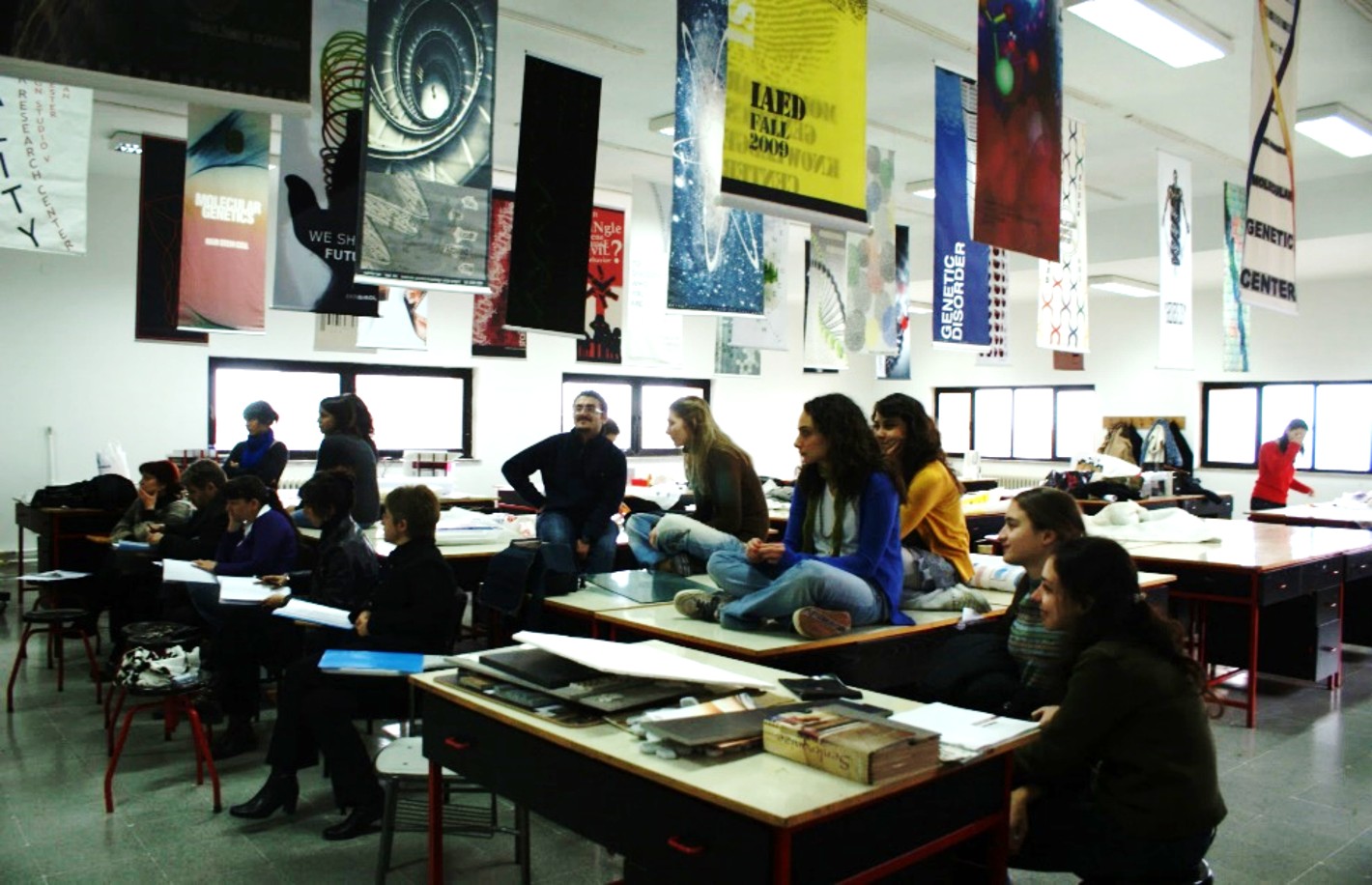
The program’s interdisciplinary curriculum builds theoretical, conceptual, and technical expertise, enabling students with analytical thinking and creative problem-solving abilities. Through studio-based, theoretical and practical courses, students integrate knowledge that include volumetric and spatial compositions, representation techniques, ergonomics, lighting, construction and materials, architectural acoustics, sustainability, detailing, professional practice, and history and cultural studies. They apply research-based and creative knowledge as well as advanced digital technologies of the field across many professional contexts, from design practice to academic research.
Graduates are expected to become design leaders, experts, and forerunners of creating visionary environments for the healthy human being and a healthy society. Through fostering ethical awareness and strong communication skills, the program encourages future interior architects to work independently and collaboratively, take responsibility for their work, and contribute to interdisciplinary environments with social and professional sensitivity. The program enables the production of high-impact research and its dissemination, lifelong learning and intellectual curiosity, empowering graduates to navigate changing professional landscapes and contribute to the built environment.